
Article Summary
- Barna and Gloo asked whether Americans think a spiritual revival is coming soon.
- Nearly 3 in 10 U.S. adults believe a spiritual revival is likely within the next 12 months.
- Among Gen Z adults, that figure rises to 38 percent, higher than other generations surveyed.
- Reasons people give include prayer, young generations turning toward God, and a search for meaning.
- Expectation is not the same as revival. Readiness in the local church is the pastoral response.
- WWJD.COM serves people already searching for a clearer path to follow Jesus day by day.
Barna and Gloo research asks a question many church leaders have only discussed in hallway conversations: do Americans think a spiritual revival is coming soon? The findings suggest a meaningful share of adults say yes, and Gen Z is especially open to that possibility.
What the numbers actually say
According to the research, nearly 3 in 10 U.S. adults believe a spiritual revival is likely within the next 12 months. Among Gen Z adults, that figure rises to 38 percent, higher than other generations surveyed.
That does not prove revival is already here in every city. It does show that expectation is not limited to older believers looking backward. Younger adults are among those most likely to believe God could move in a visible way soon.
Gen Z is the most likely generation to anticipate spiritual revival.
Barna / Gloo finding, as framed in this story
Why people say yes
The reasons people give are telling. Prayer ranks high. So does a sense that young generations are turning toward God. So does a search for meaning and purpose. Younger adults also connect spiritual longing to mental health pressures and the need for hope that can hold under stress.
- Revival language is not only about crowded arenas
- It is also about anxiety, isolation, and purpose hunger
- Some young adults are leaving institutional religion
- Others are intensifying commitment, attending more, or seeking structured Christian community
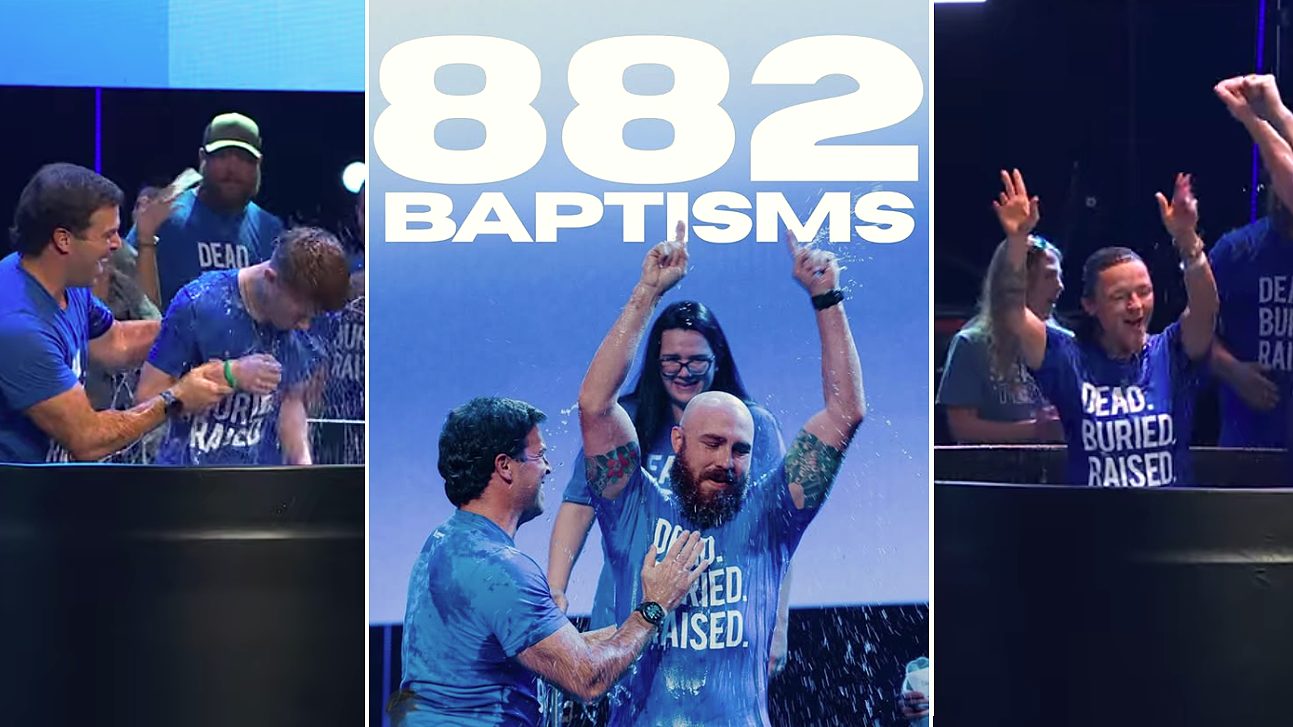
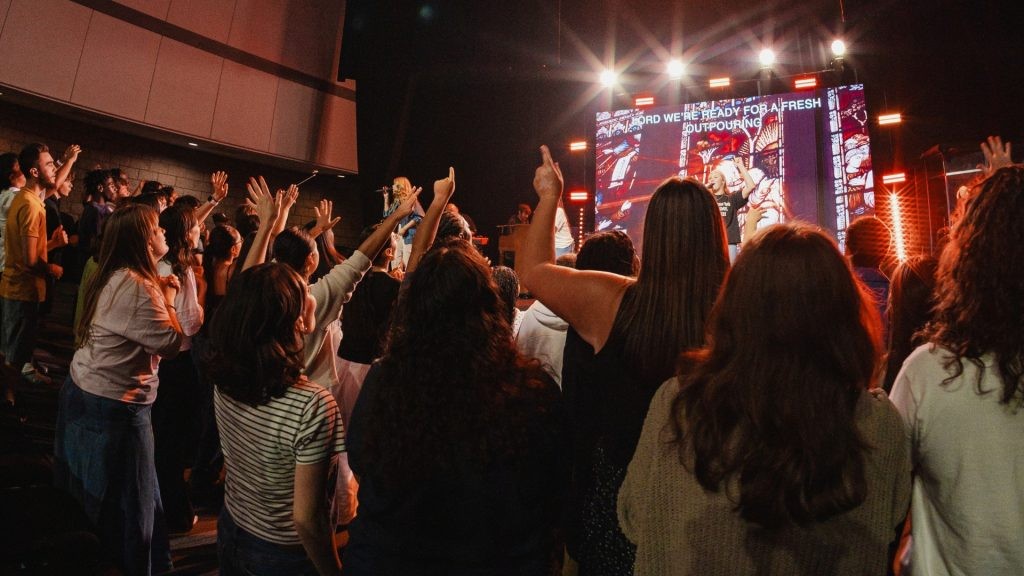
Barna's broader work has long tracked both decline stories and renewal signals. This study lands in a media moment when campus gatherings, baptism events, and Bible engagement headlines are also in the news. Together those stories form a more complicated picture than pure secularization.
PRO TIP Use the 38 percent figure as a conversation starter, not a trophy. Ask young adults what they mean by revival, what they are praying for, and where they see hunger or hardness.
Readiness, not hype
For churches and ministries, the practical implication is not hype. It is readiness. If younger people believe revival could be near, they also need places that teach Scripture clearly, welcome questions, offer prayer, and create real friendship.
Expectation without discipleship can fade into disappointment. Expectation joined to the ordinary means of grace can become lasting formation. Belief that revival might come is not the same as revival itself.
Related campus and baptism signals: Florida State students gather to worship Jesus and Baptize America.
PRO TIP Pair expectation with ordinary obedience: gathered worship, confession, Scripture memory, service to the poor, and friendship that tells the truth.
Turn expectation into practice
- Read: Open the Barna / Gloo report and note what was actually asked.
- Ask: What do the young adults you know mean by revival?
- Prepare: Make your church a place that can receive newly hungry people.
- Pray: Put prayer back at the center of any revival conversation.
- Walk: Invite someone into Scripture and community that will still be there in 12 months.
FAQ
Does 38 percent mean revival is here?
No. It means 38 percent of Gen Z adults in this Barna / Gloo research said a spiritual revival is likely within 12 months. That is expectation, not proof that every city is in revival. The number still matters because it puts a percentage next to what many youth and campus leaders have been sensing.
What did the rest of adults say?
Nearly 3 in 10 U.S. adults said revival is likely in the next year. Gen Z was more likely than other generations surveyed to say yes. Read the original Barna / Gloo piece for the full question wording and remaining breakdowns.
Why would young adults expect revival?
Respondents pointed to prayer, a sense that younger generations are turning toward God, and a search for meaning. Younger adults also connected spiritual longing to mental health pressure and the need for hope that can hold under stress.
How should churches use this study?
As a readiness check. If younger people believe God could move, they need Scripture, prayer, friendship, and a congregation that will not market every uptick as a finished movement. Be watchful and faithful. Measure fruit over time.
Where is the original research?
Barna published the piece with Gloo. Follow the source link on this page. Faith Is Rising summarizes the public findings and asks what they mean for daily discipleship.
Sources
- Barna / Gloo: Do Americans Think Spiritual Revival Is Coming?
- WWJD.COM: Is Gen Z fueling revival?
- WWJD.COM: Faith Is Rising
- WWJD.COM: Statement of Faith
Ask the Question - Live the Answer